Lumbar Microdecompression
If you’re experiencing leg pain, numbness and difficulty walking, you may have spinal stenosis. This condition happens when the space inside the backbone is too small, putting pressure on the nerves and spinal cord. Microdecompression is a minimally invasive treatment for lumbar stenosis. This advanced surgical option often offers a fast recovery with minimal tissue disruption. Dr. Rojeh Melikian uses advanced minimally invasive techniques to help you return to your active life as quickly as possible.
What Is Lumbar Spinal Decompression Surgery?
Lumbar microdecompression is a minimally invasive surgery that relieves pressure on pinched nerves in the lower back. This surgery removes material that’s pressing on the spinal cord and nerve roots, resulting in the relief of painful symptoms caused by herniated lumbar discs or spinal stenosis.
Minimally invasive decompression is a specialized surgery that requires an orthopedic spine surgeon who specializes in microscopic and minimally invasive techniques. During the procedure, the surgeon will make a small incision into the lumbar spine region and insert tubes that dilate muscle tissue to expose the spine. The tubes are 16 to 18 millimeters in diameter, about the size of a dime.
Specialized microsurgical instruments are inserted into these tubes to remove:
- Bone spurs
- Thickened ligament tissue
- Herniated disc material
As a result, the spinal canal is opened, relieving nerve compression. After the procedure, the incision is closed with stitches.

How a Minimally Invasive Laminectomy Is Different From a Traditional Laminectomy
Compared to traditional laminectomy, lumbar microdecompression offers many advantages, including:
- Less disruption and damage to soft tissues and muscles
- Smaller incision and scar
- Decreased blood loss
- Shorter inpatient stay
- Faster recovery time and return to regular activities
- Less pain and discomfort after the operation
Though lumbar fusion can help treat spinal stenosis by keeping the spine stable, it may not be required if you aren’t experiencing other back problems.
Who Is a Candidate for Spinal Stenosis Surgery?
Lumbar microdecompression may be recommended for people who have:
- Herniated lumbar discs: The inner gelatinous substance escapes due to a fibrous ring tear, compressing the spinal cord and nerves.
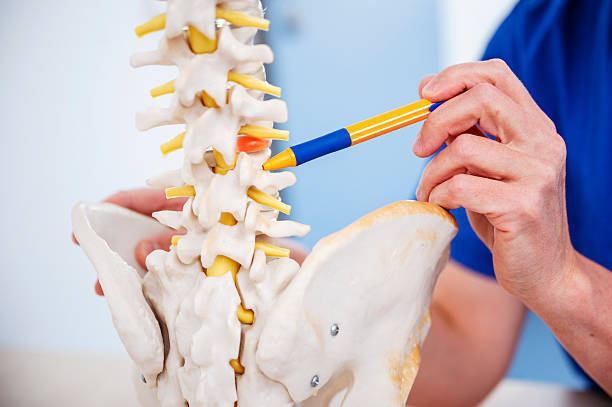
- Spinal stenosis: Changes in the facet joints and intervertebral discs cause a narrowing in the spinal canal and enlargement of the joint. This condition can cause radiating pain in the lower back.
- Leg pain: Compressed spinal nerves can cause pain and numbness in the legs, buttocks and hips. This procedure is an effective surgery to relieve leg pain.
- Age-related concerns: A minimally invasive approach often leads to a faster recovery process, making this surgery a valuable option for some older adults. Dr. Melikian will discuss your unique condition and work with you to determine the right course of action for your needs.
Dr. Melikian’s Approach to Lumbar Stenosis Surgery
When you need a minimally invasive solution for spinal stenosis, trust Rojeh Melikian, M.D., a board-certified orthopedic surgeon with extensive experience in lumbar microdecompression surgery. He specializes in minimally invasive techniques for spinal conditions and is dedicated to personalized treatment plans. Dr. Melikian and his team of medical professionals provide compassionate care to patients across Southern California, with locations in Marina del Rey, Los Angeles and Newport Beach.
Schedule a Consultation Today
If you believe you’ll benefit from surgery to relieve neurogenic claudication, talk to Rojeh Melikian, M.D., about your treatment options. Contact us online or call 949-806-6946 to schedule an in-person, phone or video consultation. We’re also here if you need to get a second opinion before committing to a treatment or procedure.