Degenerative Disc Disease
Your spine cushioning may wear away as you get older. This spinal disc wear and breakdown is called degenerative disc disease (DDD), which can cause neck and back pain. Rojeh Melikian, M.D., is a board-certified orthopedic surgeon who uses minimally invasive disc surgery to treat DDD.
What Is Degenerative Disc Disease?
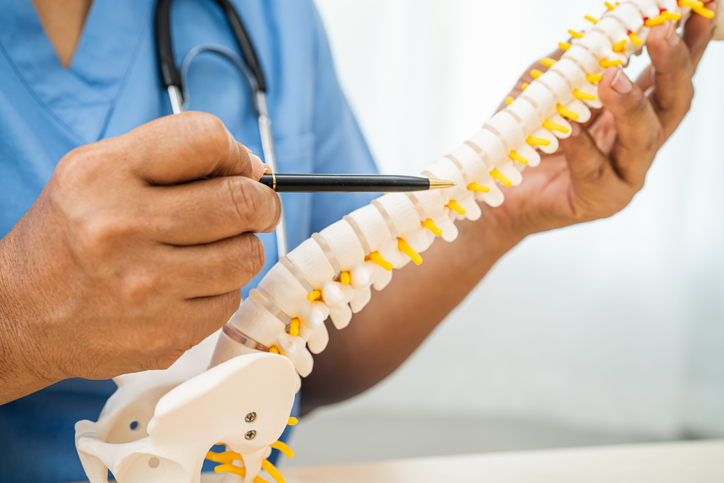
Degenerative disc disease is a condition where the spinal discs wear down. While some degradation is normal with aging, DDD can involve changes such as:
- Disc dehydration
- Disc tears
- Spinal instability
- Nerve irritation
Degenerative disc disease can be serious, causing pain and inflammation that keep you from enjoying everyday activities.
Types of Degenerative Disc Disease
There are three main types of DDD:
- Cervical degenerative disc disease: Cervical DDD affects the discs in the cervical spine and can cause neck and shoulder blade pain and arm numbness.
- Lumbar degenerative disc disease: Lumbar DDD occurs in the discs of the lumbar spine, which can cause lower back pain, leg pain and sciatica.
- Multilevel degenerative disc disease: This DDD occurs when discs have degenerated at multiple spine levels.
How DDD Relates to Other Spine Conditions
When comparing degenerative disc disease vs. a herniated disc, these conditions both impact spinal discs but have differences. While DDD is the degeneration of spinal discs, a herniated disc means one has bulged out of place.
Degenerative disc disease is also similar to spondylosis. This broad term describes age-related wear of the spine, whereas DDD specifically affects the spinal discs.
DDD may increase your likelihood of developing these spinal conditions:
The following stages are one way an orthopedic spine surgeon may describe degenerative disc disease progression:
- Dysfunction: The spinal discs begin degenerating.
- Dehydration: The spinal discs dry out, shrink and lose flexibility, worsening pain.
- Stabilization: The spine may try to self-stabilize, which can increase pain.
- Collapse: Shrunken spinal discs may cause nerve pressure and vertebral rubbing.
The most common symptom of DDD is neck or lower back pain. It is often accompanied by:
- Stiffness in the neck and back.
- Worstening pain when lifting, bending or sitting.
- Pain that radiates into your buttocks and back.
- Frequent discomfort that lasts for weeks or months and gets worse over time.
DDD is caused by the natural aging process and water loss, tears and cracks in the spinal discs. Some factors that can increase your risk of developing DDD include:
- Being over 40 years old
- Smoking
- Weight
- Acute injuries
Degenerative Disc Disease Treatment Options
The following nonsurgical treatments for DDD may alleviate symptoms:
- Perform exercises for degenerative disc disease, like stretching and strengthening, with a physical therapist.
- Take NSAIDs or acetaminophen.
- Use hot and cold therapy to reduce inflammation and soreness.
- Get steroid injections for pain or inflammation management.
Some minimally invasive surgeries for DDD include:
- Anterior lumbar interbody fusion to stabilize the lower spine.
- Extreme lateral interbody fusion to stabilize the mid to lower lumbar spine.
- Microdiscectomy to remove disc fragments to alleviate nerve pressure.
- Artificial disc replacement replaces damaged spinal discs with a prosthetic disc.
Schedule a Consultation With Dr. Melikian Today
As a disc disease specialist, Dr. Rojeh Melikian will help you find the DDD treatment option that’s right for you, so you can return to an active lifestyle. Schedule a video or phone consultation by contacting us online or calling 949-806-6946. Rojeh Melikian, M.D., can also provide a second opinion.