
Cervical Myelopathy
When dropping your keys becomes routine or buttoning your shirt feels impossible, these warning signs often point to cervical myelopathy, a progressive condition demanding immediate attention. Spinal cord compression in your neck can advance from subtle clumsiness to permanent neurological damage if left untreated.
Fellowship-trained spine surgeon Dr. Rojeh Melikian provides expert diagnosis and individualized surgical solutions designed to halt progression and help improve function for patients throughout Southern California, maintaining a zero MRSA infection rate.
What Is Cervical Myelopathy?
Cervical myelopathy develops when progressive spinal cord compression occurs in your neck. This compression may result from degenerative changes such as cervical spondylosis, severe cervical spinal stenosis or an acute herniated disc that presses on the spinal cord tissue. When these degenerative changes cause spinal cord compression and symptoms, the condition is called cervical spondylotic myelopathy.
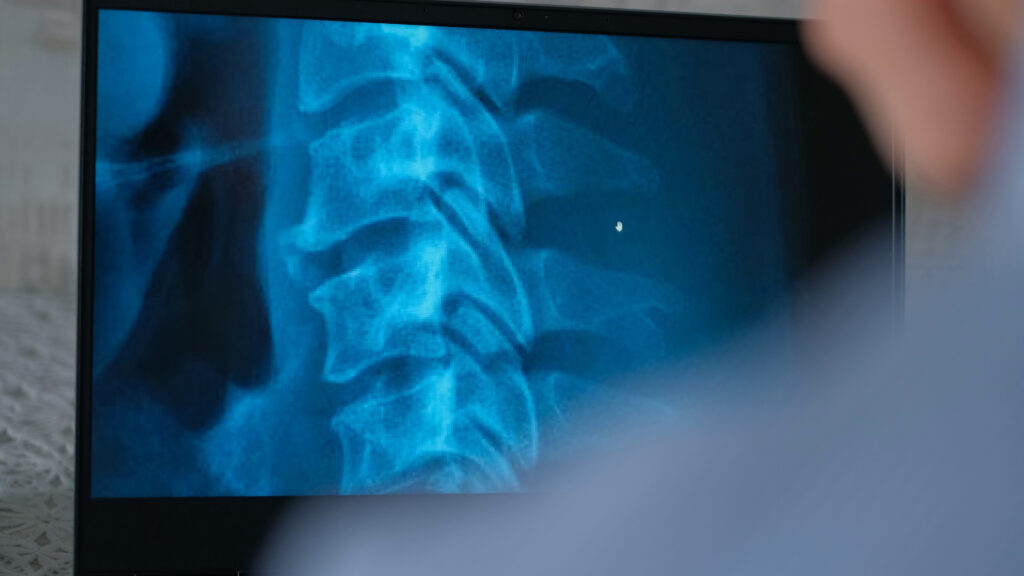
Spinal cord compression symptoms often worsen gradually, making daily tasks difficult. Literature and clinical reviews show that approximately 20% to 62% of symptomatic patients experience worsening symptoms over a 3- to 6-year observation window.
These symptoms often develop gradually, making them easy to dismiss. Watch for these critical warning signs:
- Fine motor skill deterioration: Difficulty buttoning shirts, handling coins or using utensils may signal spinal cord involvement demanding immediate attention.
- Balance loss and clumsy hands: Feeling unsteady, shuffling steps or frequently dropping objects may indicate cervical myelopathy.
- Heavy legs: Sensations of heavy legs, difficulty climbing stairs or foot drop can develop as cervical myelopathy progresses.
Understanding the distinction between cervical cord compression and isolated radiculopathy (nerve root compression) helps ensure accurate diagnosis and appropriate treatment for myelopathy patients.
Radiculopathy causes sharp pain down your arm, while cervical myelopathy produces diffuse weakness and coordination problems that can significantly impact your ability to work and maintain your active lifestyle. Dr. Melikian’s experience and expertise allow him to identify complex spinal conditions and recommend effective treatment.
Preventing Permanent Spinal Cord Damage
Untreated cervical myelopathy can lead to irreversible nerve damage and paralysis. A poor prognosis is associated with symptoms lasting more than 18 months, as untreated conditions can progress to significant paralysis.
When surgery is necessary, early myelopathy surgery offers the best opportunity for recovery, with many patients improving function and regaining independence when treatment is prompt. If you experience sudden changes in symptoms, seek an evaluation immediately.
Advanced Minimally Invasive Spine Surgery
Dr. Melikian offers microdiscectomy, the most common minimally invasive surgery (MIS) for symptomatic herniated discs. This procedure is designed to provide long-term relief for radicular leg pain caused by lumbar disc herniation.
Procedures are approached using microscopic or endoscopic techniques, often taking less than one hour per level. Most patients walk within hours of surgery and go home the same day. Dr. Melikian’s zero MRSA infection rate to date, award-winning achievements and training at Harvard and Emory give you confidence in your care.
Schedule Your Consultation Today
We proudly serve patients from across Southern California from our locations in Newport Beach, Marina del Rey and Brentwood. Call us at 949-806-6946 or submit our online form today to schedule an appointment in person or virtually by phone or video.