Bone Spurs (Osteophytes)
Bone spurs, or osteophytes, are extra growths of bone tissue. In some cases, these bone growths can cause symptoms and impact your active lifestyle and quality of life. Rojeh Melikian, M.D., treats patients across Southern California with this condition using minimally invasive bone spur removal techniques.
What Are Bone Spurs?
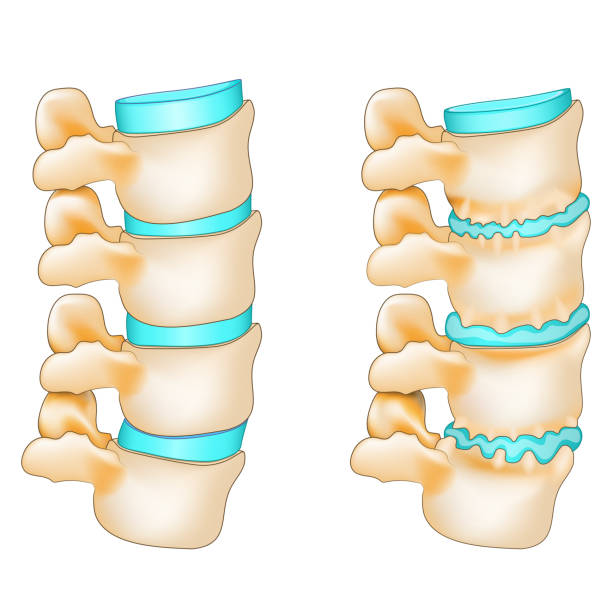
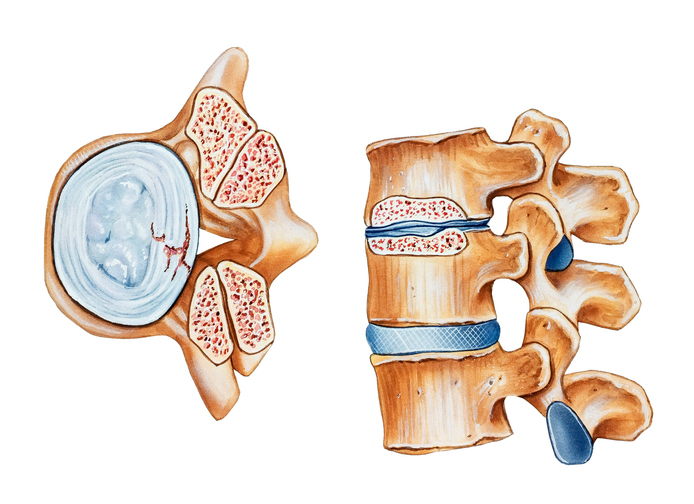
Bone spurs on the spine are bone tissue growths that develop on the edges of vertebral endplates or facet joints where the cartilage has worn out. The body creates new bone tissue in response to age-related wear and tear on the spinal discs and joints. The result is smooth bony growths that appear on the edges of spinal bones.
Bone spurs can appear at any level of the spinal column — cervical bone spurs appear in the neck region, and lumbar bone spurs develop in the lower back.

Symptoms of Spinal Bone Spurs
If a bone spur causes pinched nerves, limited spinal mobility, or soft-tissue irritation, it may lead to symptoms that affect your everyday life, including unexplained neck or back pain or stiffness when standing or walking. These symptoms often extend beyond physical discomfort and can limit your ability to work, exercise, or fully engage in the activities that matter most to you. The location of the bone spur impacts where you feel pain — lumbar bone spurs may cause radiating pain in the thighs and buttocks, while cervical bone spurs can cause pain in your shoulders.
Bone spurs can cause spinal stenosis, or narrowing of the spinal canal. If the osteophyte pushes inward into the spinal canal, it can compress the nerve roots and cause tingling, numbness or weakness throughout your body, depending on where the bone spur is on your spine.
How Are Osteophytes on the Spine Diagnosed?
If you’re experiencing bone spur symptoms, your orthopedic spine surgeon will perform a physical examination, then follow up with imaging tests. An X-ray of your spine confirms the presence and location of osteophytes. An MRI can evaluate spinal discs and nerves, while a CT scan shows bone growths in greater detail.

How Are Osteophytes on the Spine Diagnosed?
If you’re experiencing bone spur symptoms, your orthopedic spine surgeon will perform a physical examination, then follow up with imaging tests. An X-ray of your spine confirms the presence and location of osteophytes. An MRI can evaluate spinal discs and nerves, while a CT scan shows bone growths in greater detail.
Surgical Bone Spur Treatments for the Spine
If home treatments, prescriptions, physical therapy and corticosteroid injections are ineffective, surgery may be recommended. Dr. Melikian uses minimally invasive lower back, middle back and neck surgeries for bone spurs, including:
- Foraminotomy: A foraminotomy widens the neural foramen, the opening where nerves exit the spine. This surgery involves removing the bone spur to relieve compressed nerves.
- Laminectomy: A laminectomy involves removing part of the vertebral lamina and sources of nerve compression, such as osteophytes. This procedure creates space in the spinal canal and relieves compression or irritation of the spinal cord or nerve roots.
Dr. Melikian’s minimally invasive approach prioritizes both surgical precision and patient safety, with a zero MRSA infection rate to date. He will help you understand your treatment options so that you can find the best path forward.
How to Prevent Bone Spurs in the Neck and Back
Since bone spurs can develop as you age, they cannot be wholly prevented. However, you can take some steps to delay or reduce the wear and tear on the spine that causes bone spurs:
- Get adequate nutrition to keep your tissues strong and prevent osteoporosis.
- Do low-impact exercises like cycling or swimming to strengthen your musculoskeletal system and take stress off your spine.
- Maintain a good posture to avoid putting extra stress on your spine.

Schedule a Consultation Today
Dr. Rojeh Melikian is an orthopedic spine surgeon who is board-certified and fellowship-trained in spinal surgery, including minimally invasive bone spur removal. Our team is compassionate and puts patients first, delivering individualized care for your condition.
Schedule a video or phone consultation by calling 949-806-6946 or contacting us online. Dr. Melikian can also provide a second opinion on your bone spur treatment.