Spinal Stenosis
Your spine protects your spinal cord and allows you to stand and bend. When the space within the backbone narrows, it puts pressure on the cord and nerves. This condition is usually caused by age-related degeneration and can cause pain, numbness or weakness in the limbs. Understanding your diagnosis allows you to find the best option to treat it, relieve pain and regain mobility.
Harvard- and Emory-trained spine surgeon Dr. Rojeh Melikian specializes in diagnosing and treating spinal stenosis using both conservative and advanced surgical approaches. As a fellowship-trained specialist with a zero MRSA infection rate, Dr. Melikian helps patients throughout Southern California find relief from compression-related symptoms.
What Is Spinal Stenosis?
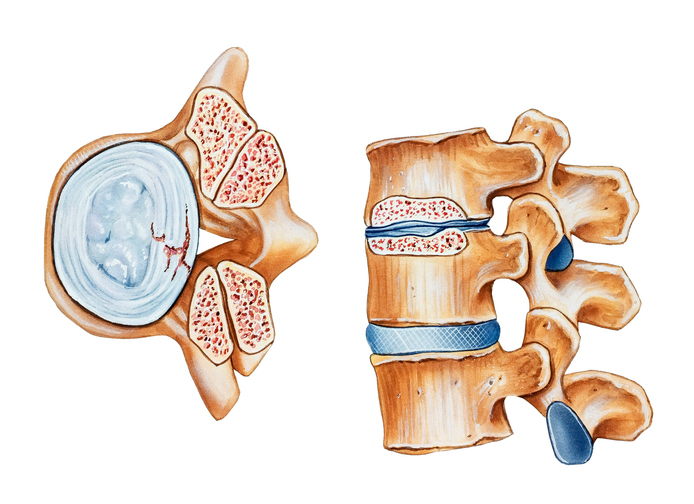
Spinal stenosis is a condition in which there is narrowing of the spinal canal, which leads to compression of the spinal cord and/or nerve roots. This can occur in any of the three regions of the spine (cervical, thoracic and lumbar), but is most common in the neck (cervical) and low back (lumbar) regions.
The most common cause of spinal stenosis is arthritis. As you put more and more miles on your spine, your discs tend to dry out and shrink. When this occurs, the space through which your nerves travel becomes smaller. Over time, you may also form bone spurs that encroach into your spinal canal and compress your nerves or spinal cord.
Symptoms of Spinal Stenosis
The most common symptoms of spinal stenosis tend to be neck or back pain accompanied by arm or leg pain, depending on which portion of your spine is affected. If your spinal stenosis is in your lumbar spine, you may experience back, buttock and leg pain which worsens with standing and walking, typically improving when you sit down or lean forward.
How Does Spinal Compression Occur?
In spinal stenosis cases, compression can occur in two different ways:
- Central stenosis: This type occurs when the main spinal canal narrows, which can put pressure on the spinal cord or nerve roots, depending on the location.
- Foraminal stenosis: This type occurs when the small openings through which individual nerve roots exit the spine become narrowed, often causing sharp, shooting pain down a single arm or leg.
While anatomical narrowing is a natural part of aging, not all compression leads to severe symptoms right away. This makes accurate severity grading essential for treatment. Spinal stenosis is a degenerative condition. This means that the narrowing and pressure can progress over time, though the rate varies from person to person. The different spinal stenosis grades range from mild, manageable discomfort to moderate, which interferes with daily life, to severe spinal stenosis that causes significant mobility loss or nerve damage.
Depending on the location and severity of your spinal stenosis, several different treatment options are available. Treatments for spinal stenosis can begin with targeted spinal stenosis exercises and physical therapy. Additional pain management options, such as epidural steroid injections, help reduce nerve root inflammation.
Dr. Melikian explores all conservative, nonsurgical treatments first to help patients regain mobility. He also performs minimally invasive surgery for spinal stenosis, such as lumbar microdecompression, cervical laminoplasty, anterior cervical discectomy and fusion (ACDF) and artificial disc replacement.
When treatment is needed beyond conservative methods, or symptoms escalate to severe spinal stenosis, surgical intervention may be necessary to address the compression and help prevent further deterioration. Your treatment plan for spinal stenosis depends on the location and severity of the stenosis and whether or not you have other structural issues in your spine, which may necessitate a fusion. Dr. Melikian will work with you to determine the most appropriate treatment approach for your specific condition.
Schedule Your Consultation for Lasting Relief
Take control of your spinal health with a personalized evaluation from a trusted Southern California spine surgeon. Call us at 949-806-6946 or schedule your appointment online. We offer in-person consultations at our Marina del Rey, Newport Beach or Brentwood locations, as well as virtual consultations via phone or video.