Spondylosis (Spinal Arthritis)
Spondylosis — also known as spinal arthritis or spinal osteoarthritis — is age-related wear and tear on the spinal column. Some cases can cause pain and discomfort that impacts your day-to-day life, while some people experience no symptoms at all. Dr. Rojeh Melikian treats patients with spinal arthritis across Southern California using minimally invasive surgical techniques.
What Is Spondylosis?
Spondylosis is the degenerative change that occurs in the spine and is the medical term for osteoarthritis of the spine. This condition is most common in the cervical and lumbar areas, leading to cervical spondylosis and lumbar spondylosis, respectively.
Some common spondylosis causes include:
- Degenerative disc disease:Degenerative disc disease causes intervertebral discs to break down, putting stress on the surrounding spinal structures. This condition can lead to spinal arthritis.
- Age: As you get older, intervertebral discs can lose water content and flexibility, leading to a degenerative condition like spondylosis.
Spondylosis Symptoms
The most common symptoms of spondylosis include:
- Back pain: Lumbar spondylosis can cause pain that feels like a strained muscle. The pain may radiate into the thighs and buttocks, get worse when you’re active and improve when you’re resting.
- Tingling: Depending upon the affected area of the spine, spondylosis may cause a tingling sensation that radiates down your leg due to nerve compression or inflammation.
- Neck pain and stiffness: Cervical spondylosis can cause the neck to be stiff or painful during movement.
Progression of Spondylosis
This condition is a prominent form of degenerative spine disease that can impact your mobility and active lifestyle. Spondylosis may lead to other conditions, such as:
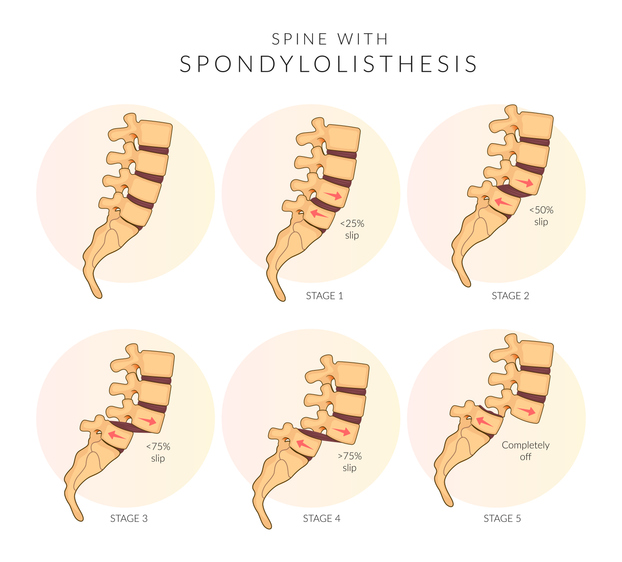
- Spondylolisthesis: The difference between spondylosis and spondylolisthesis is that spondylosis can lead to vertebral instability, which can cause spondylolisthesis if these vertebrae slip out of place.
- Facet joint syndrome: Spinal osteoarthritis impacts the spine’s facet joints, causing pressure and friction that may lead to facet joint syndrome.
- Bone spurs: The body may develop bone spurs to help stabilize the spine after degeneration.
- Spinal stenosis: Advanced cases of spondylosis can cause spinal stenosis, the narrowing of the spinal canal, due to bone spurs, thickened ligaments and degenerated discs.
Spondylosis Treatment Options
There is no best treatment for spinal arthritis that works for everyone — the best path forward varies by case. After diagnosing spondylosis with imaging tests, Dr. Melikian will first recommend nonsurgical treatments. If these treatments are ineffective, you can explore surgical options.
You may be able to alleviate the symptoms of spondylosis with the following nonsurgical options:
- Take over-the-counter medications like NSAIDs to manage inflammation and pain.
- Take corticosteroids to reduce inflammation.
- Meet with a physical therapist to use spondylosis exercises to strengthen the muscles around your spine.
Spondylosis may need surgery to alleviate nerve compression, maintain function and resolve other symptoms. Surgical approaches can include:
- Laminectomy to reduce pressure on the spinal cord by removing bone spurs or lamina.
- Discectomy to remove damaged or herniated discs.
- Artificial disc replacement to replace a damaged disc with a synthetic disc.
- Anterior cervical discectomy with fusion to treat spinal cord compression in the neck.
Dr. Melikian will help you decide which type of surgery is most impactful for your case.
Schedule a Consultation With Rojeh Melikian, M.D., Today
Dr. Rojeh Melikian is an orthopedic spine surgeon with expertise in minimally invasive surgery for spondylosis. We serve patients with compassionate, patient-first care to help you return to the active lifestyle you love.
Schedule a video or phone consultation by calling (949) 740-0427 or contacting us today. You can also get a second opinion on your degenerative spine disease treatment.