What Are the Different Types of Spinal Stenosis Surgery?
When spinal stenosis affects your daily life, surgery can seem like the best solution. While there are many forms of nonsurgical treatment for spinal stenosis, surgery can go a step further and provide lasting relief where other solutions fail. Medical advancements have given patients many options for spinal care, and the first step to healing is understanding them. We understand that considering surgery can feel overwhelming, but we’re here to support you every step of the way.
Understanding Spinal Stenosis
Spinal stenosis can occur in the upper or lower spine. This condition is characterized by compression of the spinal canal, which puts pressure on the nerves inside. It usually develops as a result of aging, bone spurs, osteoarthritis or related conditions, and can cause symptoms such as:
- Pain: Depending on the location of the stenosis, you may have regular pain in your upper back, lower back or in your legs, especially when you are standing or moving.
- Numbness or weakness: Nerve compression can also present as numbness, tingling or weakness in the same areas.
- Mobility challenges: All of the above symptoms can make moving the way you want more difficult, greatly impacting your quality of life and keeping you from daily activities like walking and doing housework.
The Most Common Types of Spinal Stenosis Surgery
Thankfully, there are many options available to address the pain and symptoms caused by spinal stenosis, and many of them are minimally invasive. The most common surgical options include:
- Cervical laminoplasty: For spinal stenosis that impacts the neck, a cervical laminoplasty decompresses the nerves around the lamina bone. The surgeon places a small plate or spacer in the spine to stabilize the area and prevent future compression of the nerves.
- Lumbar microdecompression: If your spinal stenosis is in your lower back and affects your legs, this procedure may be more useful. During a lumbar microdecompression, a surgeon carefully removes excess bone material or ligament tissue that is compressing the spinal canal, creating more space.
- Artificial disc replacement (ADR): ADR allows a surgeon to remove the affected disc entirely and replace it with a prosthetic, helping you retain mobility while relieving pain.
- Spinal fusion: In more advanced cases of spinal stenosis, the condition may affect multiple discs or a larger portion of the spine. In this case, your surgeon may recommend anterior lumbar interbody fusion (ALIF) or extreme lateral interbody fusion (XLIF) to restore spinal stability.
Choosing the Right Surgeon
Choosing surgery is an important decision that should be made with your doctor. It should consider your current health, medical history and goals for treatment. Because each case is unique, it requires an individualized approach. We recommend visiting Dr. Rojeh Melikian, a Harvard and Emory-trained, board-certified surgeon, who will take your personal needs into consideration.
Schedule a Consultation Today
At Rojeh Melikian, M.D., we are committed to helping our patients regain control of their lives through personalized, award-winning care. Call us at 949-269-6879 or schedule a consultation to learn more about your treatment options.
How Long Is Recovery from Cervical Disc Replacement?
Cervical disc replacement and spinal fusion are two surgical options for treating spinal stenosis and cervical spine conditions. When you consider the right option for you, understanding the recovery timeline is crucial to making the decision. Knowing what to expect can help you feel more prepared and confident about your choice.
Comparison of Recovery Timelines
Any recovery timeline is only an estimate — countless factors affect how long you will heal, including your health prior to surgery and your adherence to your doctor’s orders. These are the timelines most people can expect from each procedure.
Cervical Disc Replacement Recovery
This is a minimally invasive approach and recovery typically proceeds as follows:
- Day one: This is often performed as an outpatient procedure, so many people can return home on the same day. Your only restriction is no heavy lifting.
- Week one: The first week or two following surgery is your time for rest and relaxation. You will be limited to no heavy lifting but can otherwise slowly resume normal activities.
- Weeks two through four: You will be able to resume lifting weights and begin physical therapy. You will continue to advance your activities.
- Months two and three: You should be back to all activities by this point.
Most patients achieve full recovery between 2 and 3 months depending in their condition.
Spinal Fusion Recovery
Spinal fusion can also be done in an outpatient setting.
- Day one: This is often performed as an outpatient procedure, so many people can return home on the same day. Your only restriction is no heavy lifting.
- Weeks one and two: The first week or two following surgery is your time for rest and relaxation. You will be limited to no heavy lifting but can otherwise slowly resume normal activities.
- Months one through three: Around the one-month mark, most people begin to get physician clearance to resume some lighter everyday activities. You will still need to avoid heavy lifting, bending and twisting, but you should regain some mobility and strength. Physical therapy often begins during this period to help restore function.
- Months three through six: With the doctor’s recommendation, you will likely be able to return to much of your normal life. The fusion itself usually takes between 6 to 12 months to heal.
Learn More About These Procedures With Rojeh Melikian, M.D.
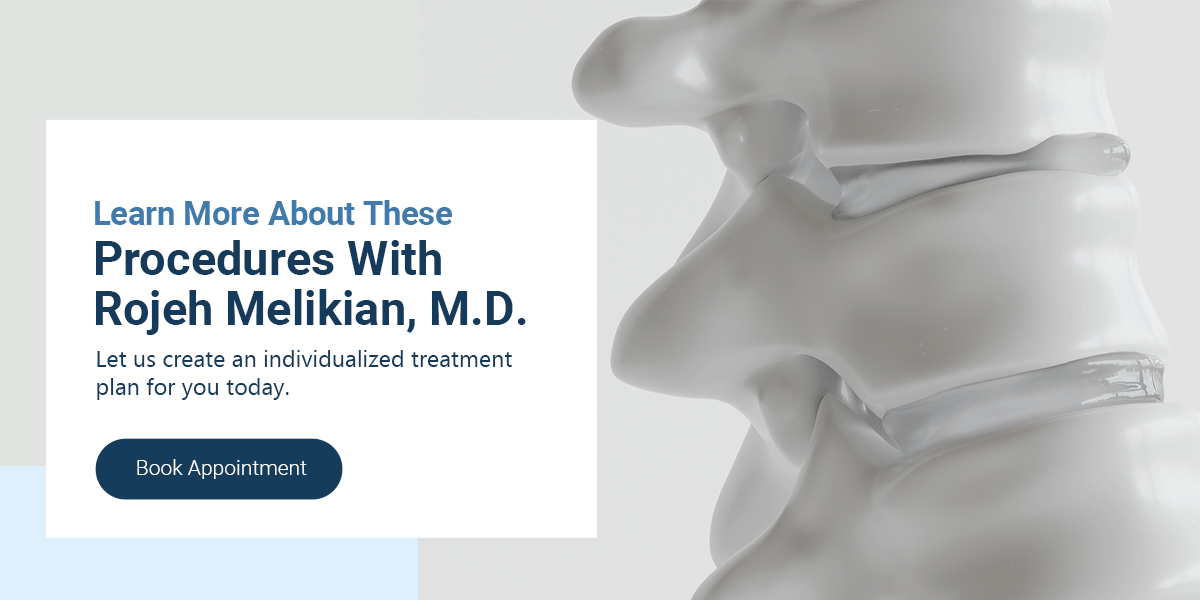
Recovery is just one part of treating cervical spine conditions. At Rojeh Melikian, M.D., we are committed to supporting you through every step of diagnosis, treatment and recovery. Let us create an individualized treatment plan for you today — call us at 949-269-6879 or schedule a consultation to discuss your surgical and nonsurgical options.
Is Spinal Stenosis Surgery Worth It? Risks vs. Benefits
Spinal stenosis can cause severe pain that makes it difficult for you to move around and live your life the way you want to. You may feel like you’re losing your independence, and that can be frightening. The good news is that there are many surgical and nonsurgical methods to address the condition and restore your quality of life. Is surgery right for you? Learn more about how it can address your symptoms and get the full picture of potential risks and benefits.
Understanding Spinal Stenosis
Spinal stenosis occurs when the spinal canal narrows, increasing pressure on the spine and its nerves. These compressed nerves can cause many challenging symptoms, such as:
- Leg pain
- Back pain
- Lower body cramps
- Weakness
- Numbness
- Difficulty walking
There are many spinal stenosis treatment options, including physical therapy, cervical laminoplasty, lumbar microdecompression, and artificial disc replacement (ADR). The best option will depend on your body, medical history and your personal goals, all of which Dr. Melikian will take into account from the start.
The Risks
As with any surgical procedure, if you undergo surgical treatment for spinal stenosis, there are some risks. The procedure may not fully relieve your symptoms, requiring further treatment to manage your pain, and as you recover, you will have an increased risk of infections and blood clots. Because the surgery will require you to go under anesthesia, you may also face complications related to that, like an allergic reaction.
The benefits can outweigh the potential risks. That is why it is crucial you visit a respected, board-certified professional like Dr. Rojeh Melikian. If you are concerned or at higher risk for surgical complications, we also offer many nonsurgical options that may alleviate symptoms before pursuing surgery.
The Benefits
One of the greatest benefits of spinal stenosis surgery is that minimally invasive techniques allow for quicker recovery than traditional open surgery. These procedures have also been shown to be effective in providing:
- Pain relief: Reducing nerve compression can provide significant relief from discomfort and help prevent future numbness and weakness. For many patients, this means reclaiming the freedom to engage in activities they thought were lost forever.
- Improved mobility: Minimizing your pain should allow you to regain your mobility and so you can sit, stand and move around more easily.
- Minimal decline: If your spinal stenosis is the result of another degenerative condition, surgical intervention can slow down further decline.
Are You a Candidate for Spinal Stenosis Surgery?
There are many treatment options for spinal stenosis, but surgery is usually recommended for patients who:
- Have not found relief from nonsurgical treatments
- Experience significant mobility issues caused by their diagnosis
- Have another neurological or degenerative condition that contributes to spinal stenosis
- Experience a sudden increase in their symptoms
Book a Consultation With a Specialist Today
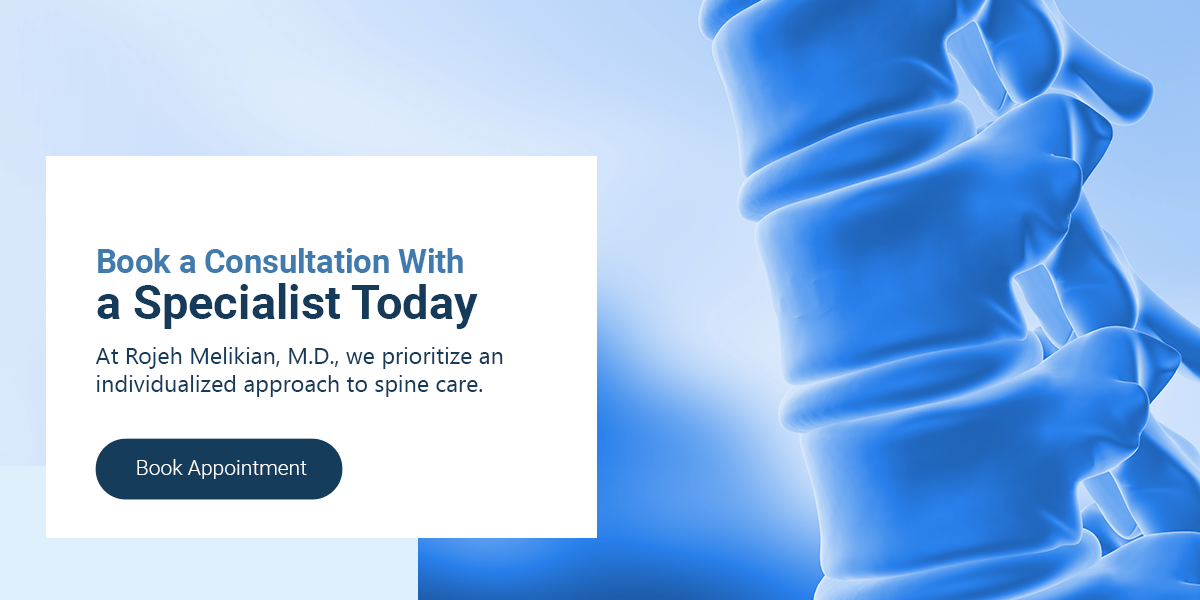
At Rojeh Melikian, M.D., we prioritize an individualized approach to spine care. Dr. Melikian and our team work with you to determine a treatment plan that aligns with your goals and lifestyle. If you have been diagnosed with spinal stenosis or believe you may have it, call us at 949-269-6879 or schedule a consultation today. Our goal is always to help you ease pain and regain mobility through our minimally invasive, award-winning solutions.
Should I Get Cervical Disc Replacement or Fusion?
Your spine is central to almost every move you make — and when it’s damaged, you notice. Understanding your treatment options can feel overwhelming, but you don’t have to navigate this alone. Thankfully, medicine has come a long way in developing dozens of methods to help you relieve pain and restore mobility. Two of the most common and effective options for cervical spine concerns are artificial disc replacement (ADR) and spinal fusion. Both procedures have their benefits, and the best choice for you will depend on your personal history and treatment goals.
Understanding Artificial Disc Replacement and Spinal Fusion
Spinal discs, also known as intervertebral discs, serve as cushions between each vertebra of your spine. Aging, trauma and certain medical conditions can all lead to degeneration, causing pain and mobility issues. Both ADR and spinal fusion are procedures that involve removing the damaged or affected spinal disc. The difference is:
- Artificial disc replacement procedures replace the cartilage with a prosthetic disc, restoring stability and helping you regain full mobility.
- Spinal fusion procedures involve fusing the two vertebrae on either side of the damaged disc together, preventing movement in this area that causes pain.
Candidates and Considerations for Cervical Disc Replacement
Thanks to advances in prosthetics, ADR is often the preferred spinal treatment for eligible candidates. The ultimate goal is to preserve full spinal mobility. The artificial disc mimics your original disc, so you should be able to bend, twist and stretch without pain or discomfort after recovery. Many patients who pursue this path find it improves their quality of life. For many, it means reclaiming the freedom to work, travel and engage fully in activities they thought were lost forever. Artificial disc replacement typically takes between one and two hours, and can prevent pinched nerves and future back issues. Furthermore, it is a minimally invasive procedure that most people recover from within a few weeks.
Cervical disc replacement is usually recommended for people who:
- Are young, active and looking to maintain their range of motion
- Do not have osteoporosis, advanced arthritis or other degenerative conditions
- Need to recover as quickly as possible
Candidates and Considerations for Spinal Fusion
While a spinal fusion can be an effective method of treating pain, it does usually result in permanently reduced mobility. This is also a more invasive procedure that can take months to heal from, which is why we recommend spinal fusion surgery alternatives to eligible candidates where possible. Spinal fusion surgery may be the preferred option for patients who:
- Have a condition affecting multiple discs or vertebrae, such as scoliosis
- Are older and more concerned with pain relief than mobility
- Have severe arthritis
Schedule a Consultation Today
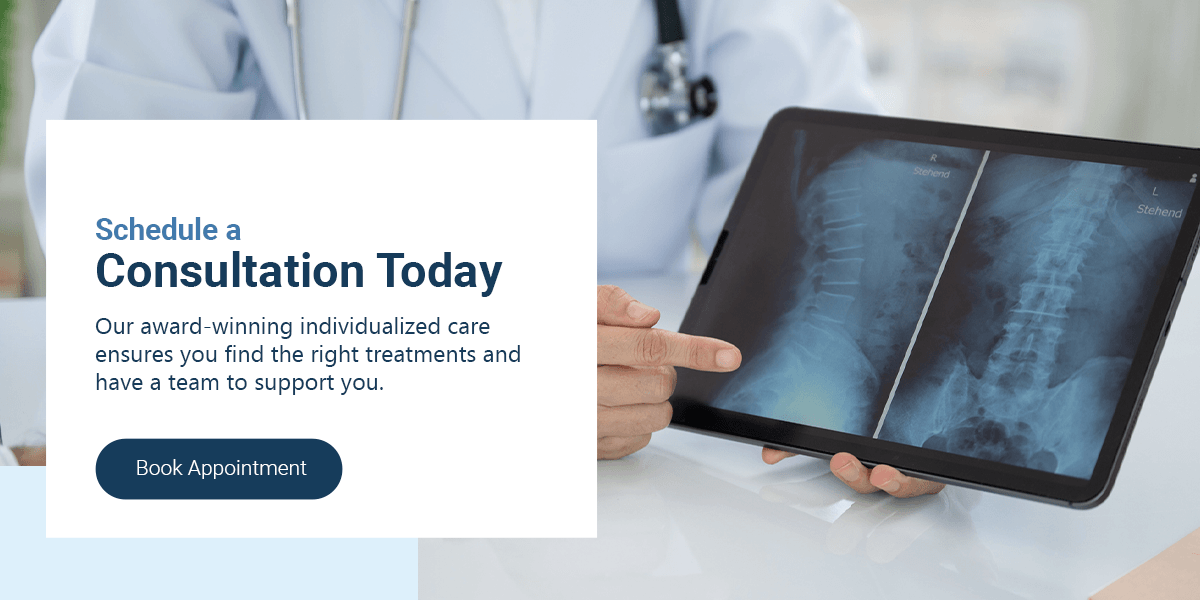
While understanding how each procedure affects you is an important part of getting treatment, the decision between artificial disc replacement and fusion is ultimately one you must make with your doctor. At Rojeh Melikian, M.D., you will discuss your concerns with an experienced, Harvard and Emory-trained, board-certified practitioner who has your best interests in mind. Our award-winning individualized care ensures you find the right treatments and have a team to support you from the initial consultation through complete recovery and beyond. Call us at 949-269-6879 or schedule a consultation online today.