Spinal Stenosis Treatment Options
Spinal stenosis can involve more than just back pain. Symptoms can include pain, heaviness, weakness and tingling in the arms and legs, affecting balance and daily life. Losing independence in this way can be frightening, but a spinal stenosis diagnosis does not automatically mean major open surgery. Dr. Rojeh Melikian will suggest conservative, nonoperative treatments before considering spinal stenosis treatment options that involve minimally invasive surgery.
Understanding Spinal Stenosis
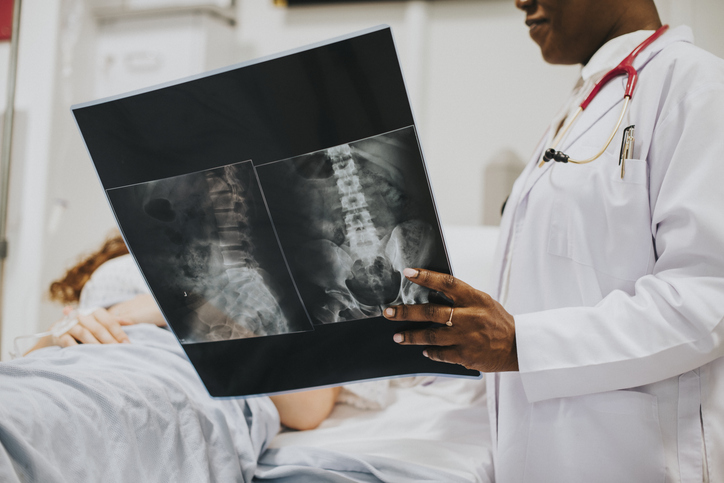
Spinal stenosis is a condition in which the lumbar or cervical spinal canal narrows, compressing and restricting nerve flow. Aging, osteoarthritis and bone spurs are common causes of this condition. You may have spinal stenosis if you have been experiencing:
- Heaviness in the legs
- Cramping
- Numbness or tingling in your arms and legs
- Relief from symptoms only when sitting or bending forward.
Treatment Options

Nonsurgical Spinal Stenosis Treatment Options
For many patients, surgery is the last resort. First, Dr. Melikian will explore nonsurgical approaches as the first line of defense, including:
- Physical therapy: Physical therapy can help you support the spine and improve posture. Your program will be tailored to your unique condition and may contain exercises, stretches, massages or regular ice or heat modalities.
- Epidural steroid injections: Epidural steroid injections contain a local anesthetic to numb the area and cortisone to target nerve root inflammation. Depending on its effectiveness for you, this injection can potentially delay or prevent the need for surgery.
- Medication management: In less severe cases, medications can manage the pain. Specifically, NSAIDs can manage inflammation and neuropathic pain stabilizers address nerve pain.

Minimally Invasive Surgical Spinal Stenosis Treatment Options
If you’ve tried conservative methods without relief, surgery may be the next step. Dr. Melikian specializes in minimally invasive surgical techniques to preserve muscle tissue and encourage a faster recovery. Some of these surgical options include:
- Lumbar microdecompression: This procedure is often the primary surgery for spinal stenosis in the lumbar vertebrae. In a lumbar microdecompression, Dr. Melikian will remove only the compressing bone or ligament in the spine while preserving spinal stability.
- Cervical laminoplasty: A cervical laminoplasty relieves spinal stenosis in the neck. Dr. Melikian will open the spinal canal through a small incision near the lamina bone to decompress the nerves and reduce pain.
- Cervical or lumbar disc replacement: Replacing a cervical or lumbar disc involves removing the degenerative disc and replacing it with an artificial disc. This procedure decompresses the spinal canal, relieving neural pressure while preserving range of motion.
- Reconstruction fusion: Both anterior lumbar interbody fusion (ALIF) and extreme lateral interbody fusion (XLIF) are reconstructive surgeries that remove diseased discs and insert a fusion device. These procedures are reserved for cases of spinal stenosis that include spinal instability.
Nonsurgical Spinal Stenosis Treatment Options
For many patients, surgery is the last resort. First, Dr. Melikian will explore nonsurgical approaches as the first line of defense, including:
- Physical therapy: Physical therapy can help you support the spine and improve posture. Your program will be tailored to your unique condition and may contain exercises, stretches, massages or regular ice or heat modalities.
- Epidural steroid injections: Epidural steroid injections contain a local anesthetic to numb the area and cortisone to target nerve root inflammation. Depending on its effectiveness for you, this injection can potentially delay or prevent the need for surgery.
- Medication management: In less severe cases, medications can manage the pain. Specifically, NSAIDs can manage inflammation and neuropathic pain stabilizers address nerve pain.
Minimally Invasive Surgical Spinal Stenosis Treatment Options
If you’ve tried conservative methods without relief, surgery may be the next step. Dr. Melikian specializes in minimally invasive surgical techniques to preserve muscle tissue and encourage a faster recovery. Some of these surgical options include:
- Lumbar microdecompression: This procedure is often the primary surgery for spinal stenosis in the lumbar vertebrae. In a lumbar microdecompression, Dr. Melikian will remove only the compressing bone or ligament in the spine while preserving spinal stability.
- Cervical laminoplasty: A cervical laminoplasty relieves spinal stenosis in the neck. Dr. Melikian will open the spinal canal through a small incision near the lamina bone to decompress the nerves and reduce pain.
- Cervical or lumbar disc replacement: Replacing a cervical or lumbar disc involves removing the degenerative disc and replacing it with an artificial disc. This procedure decompresses the spinal canal, relieving neural pressure while preserving range of motion.
- Reconstruction fusion: Both anterior lumbar interbody fusion (ALIF) and extreme lateral interbody fusion (XLIF) are reconstructive surgeries that remove diseased discs and insert a fusion device. These procedures are reserved for cases of spinal stenosis that include spinal instability.
Why Choose Dr. Rojeh Melikian for Spine Care?
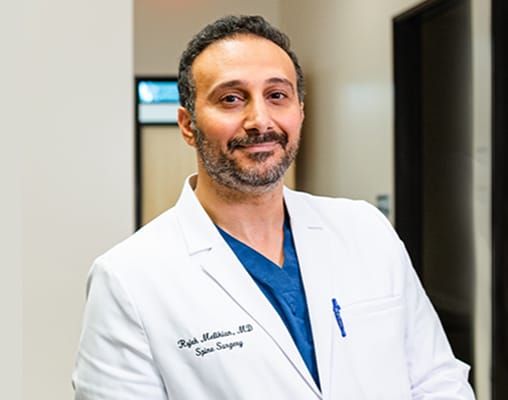
Rojeh Melikian, M.D., has elite credentials from Harvard and Emory University. His patients are in expert hands, and our team fosters a patient-centric environment and will customize treatment plans to your specific lifestyle goals. Additionally, we have a strong commitment to safety, having maintained a zero MRSA infection rate in our facilities.
Schedule Your Consultation Today
Let us help you find lasting relief from spinal stenosis. Call us at 949-269-6879 or contact us online to schedule a consultation today. We serve patients across Southern California from our locations in Marina del Rey, Newport Beach and Brentwood